
Impact Investing and Social Entrepreneurship
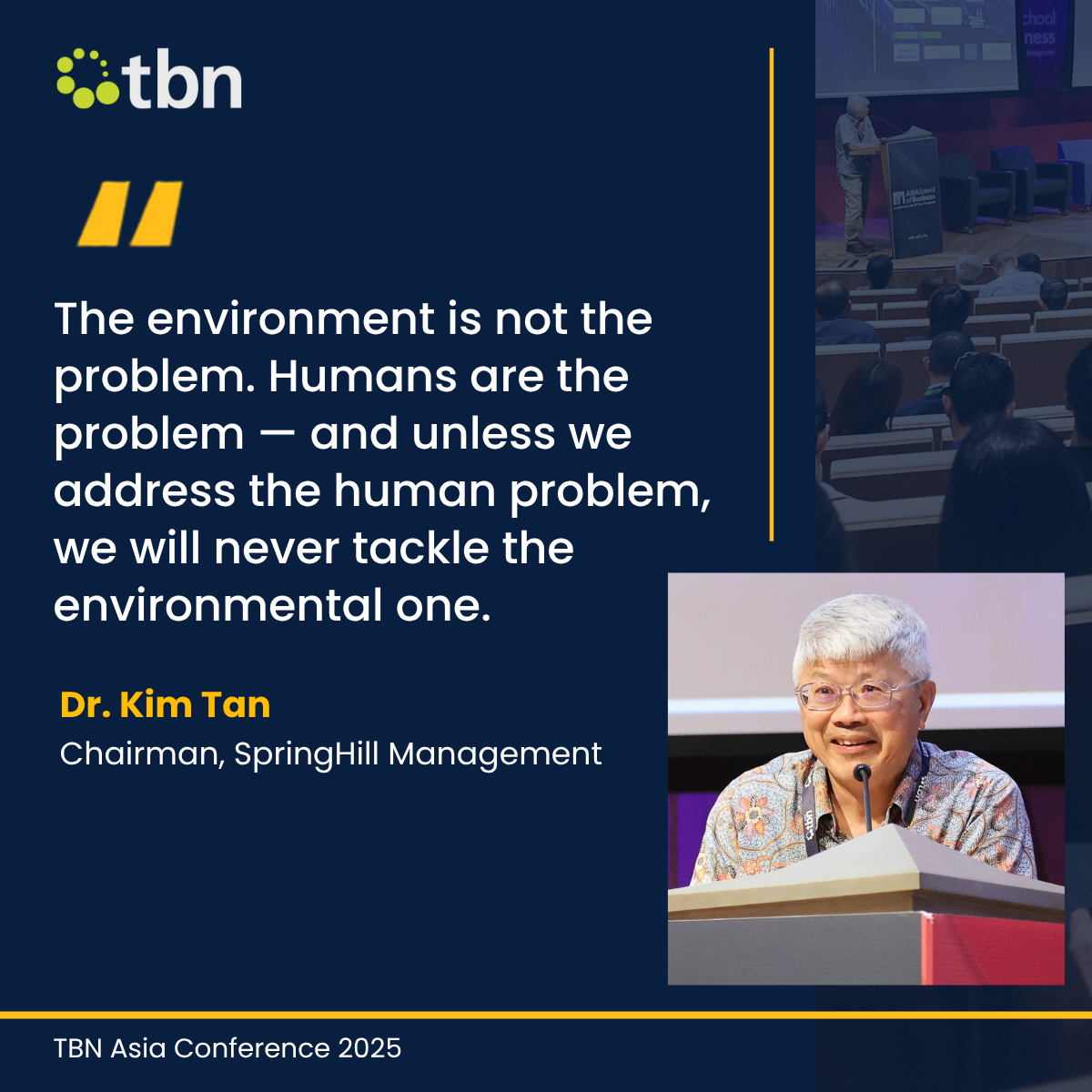
𝐈𝐦𝐩𝐚𝐜𝐭 𝐈𝐧𝐯𝐞𝐬𝐭𝐢𝐧𝐠 𝐚𝐧𝐝 𝐒𝐨𝐜𝐢𝐚𝐥 𝐄𝐧𝐭𝐫𝐞𝐩𝐫𝐞𝐧𝐞𝐮𝐫𝐬𝐡𝐢𝐩 - 𝐒𝐨𝐥𝐯𝐢𝐧𝐠 𝐭𝐡𝐞 𝐖𝐨𝐫𝐥𝐝'𝐬 𝐏𝐫𝐨𝐛𝐥𝐞𝐦𝐬 𝐭𝐡𝐫𝐨𝐮𝐠𝐡 𝐂𝐫𝐞𝐚𝐭𝐢𝐯𝐞 𝐁𝐮𝐬𝐢𝐧𝐞𝐬𝐬 𝐌𝐨𝐝𝐞𝐥𝐬 𝐚𝐧𝐝 𝐏𝐮𝐫𝐩𝐨𝐬𝐞-𝐝𝐫𝐢𝐯𝐞𝐧 𝐈𝐧𝐯𝐞𝐬𝐭𝐦𝐞𝐧𝐭𝐬
As we increasingly continue to seek out purpose, the value of what we do, and our investments take on a different meaning. We want more than simply profits from our businesses and investments – we want them to also be good for people and the environment. Through social entrepreneurship and impact investing, businesses can be used as creative solutions to solve society's problems, but there must be intentionality to design businesses to tackle social issues.
Case Study 1
In north-west Uganda sits an 800 sq km forest, home to 600 chimpanzees, ~50% degraded. The instinct is to send in rangers to stop poachers from cutting trees. But the people chopping those trees aren't criminals by nature. They're families surviving on less than a dollar a day, burning charcoal to put food on the table: cause is poverty, not logging.
So instead of only deploying rangers, we're building businesses there to provide jobs and livelihoods for the poor, to generate real income. There's a lodge for chimpanzee trekking, and 4 factories nearby to create around 150 new jobs – real income for families, structured so that reforestation and livelihood is the same project, instead of competing ones.
Case Study 2
In Kenya, diesel buses were choking the air with toxic pollution. We invested in the first ever electric bus company in Nairobi. In addition to creating jobs, we wanted each bus driver to be a bus owner. So we structured this as a pay-as-you-drive model where an e-bus can be acquired for a minimal upfront cost, and then pay an affordable pay-as-you-drive fee which includes all charging and maintenance fee. This is not a traditional structure, it is investing in a way that enables and empowers the poor to own an asset. For the poor to transform, we need to move them from the informal economy to the formal economy, and an asset helps them to become a part of the formal economy. So it's very intentional.
None of this reads like a pitch deck. It reads like people who've decided that dignity and income have to arrive together, or they don't really arrive at all. Change doesn't always start with the biggest cheque. Sometimes it starts with a factory next to a forest, or owning your own bus, or a toilet that pays for itself, or a child seeing a giraffe for the first time.
Watch Dr Kim Tan share more of these stories in his talk at the TBN Americas Forum (Oct 2025) HERE